
Lessaria: Fantasy Kingdom Sim

7
C-Tier
Genre:
Real-Time Strategy, Strategy
Platforms:
PC
Tier Score:
C-Tier
Developer:
Rockbee Team
Introduction:
For players who grew up on real-time strategy classics like Age of Mythology, the craving for a rags-to-riches kingdom builder never truly goes away. There’s something deeply satisfying about starting with a fragile settlement, slowly building economic stability, erecting defenses, and eventually daring the world to challenge you. Lessaria: Fantasy Kingdom Sim taps directly into that nostalgia, offering a modern RTS experience inspired by Majesty—a cult favorite known for its indirect control and unpredictable heroes.
From the moment the game starts throwing pop culture references your way—“It’s leviosa, not leviosaa,” “What would Aragorn do?”—it’s clear that Lessaria isn’t taking itself too seriously. But beneath the humor is a thoughtful, systems-driven strategy game that can effortlessly make hours disappear, the hallmark of a strong RTS.
Gameplay:
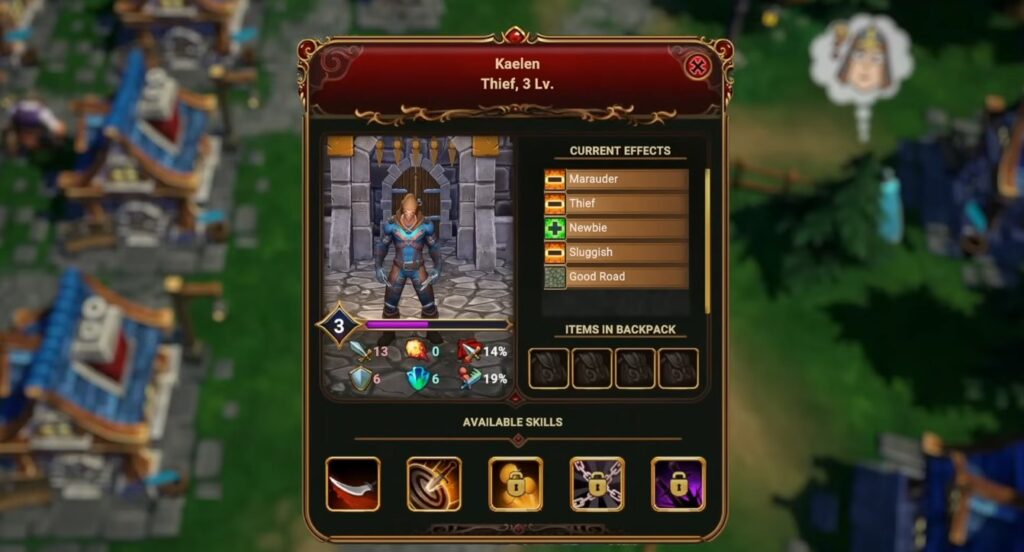
At its core, Lessaria is an RTS where you don’t command armies—you bankroll them. You build your kingdom, recruit heroes, and then watch as they live their own autonomous lives. Rangers wander for sightseeing, thieves are entirely coin-operated, and fighters just want something to punch. You are not a general issuing direct orders; you are a monarch throwing money at problems and hoping your citizens interpret your intent correctly.
Instead of direct commands, Lessaria uses a bounty system. Want a goblin camp destroyed? Place a gold bounty on it. Need an area defended or a relic retrieved? Pay up. Bounties can be increased in increments of 50, 100, or 500 gold, creating constant tension between economic growth and immediate survival. Every decision has a cost, turning traditional RTS micromanagement into an exercise in financial stress management.
This indirect control system is where Lessaria truly shines. It’s a refreshing shift from the instant obedience of traditional RTS units and forces players to think like rulers rather than commanders. The result is often hilarious, sometimes frustrating, but consistently engaging. Adding to the nostalgia, Lessaria even brings back George Ledoux, the original Majesty advisor voice actor, delivering an unexpected and powerful hit of RTS history.
Campaign and Modes
The campaign does most of the heavy lifting when it comes to onboarding players into Lessaria’s unique rhythm. Early missions act as extended tutorials, slowly introducing buildings, threats, and systems without overwhelming the player. As the campaign progresses, missions smartly ramp up difficulty, forcing players to balance long-term investments against immediate dangers.
That said, while the campaign structure is solid, the narrative itself is forgettable. Characters fail to leave a lasting impression, and the story largely exists as connective tissue between missions. It’s good enough to keep players engaged until the credits roll, but it’s not the reason you’ll remember the game.
Survival Mode, on the other hand, is where Lessaria flexes its muscles. Resource management tightens, monster attacks intensify, and the game’s autonomous AI systems are pushed to their limits. This mode strips away comfort and routine, offering a demanding sandbox that rewards careful planning and punishes sloppy economic decisions.
Pros:
Unique indirect-control RTS gameplay that feels fresh and strategic
Strong sense of nostalgia for fans of Majesty and classic RTS games
Survival Mode offers a demanding, rewarding sandbox experience
Clean visuals and readable UI
Autonomous heroes create emergent, often entertaining moments
Presentation and Audio
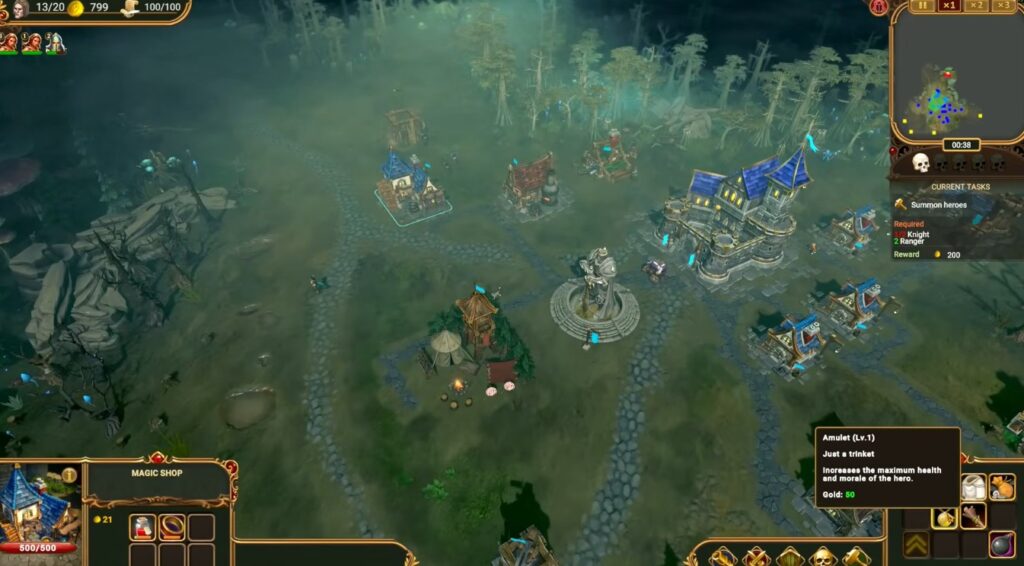
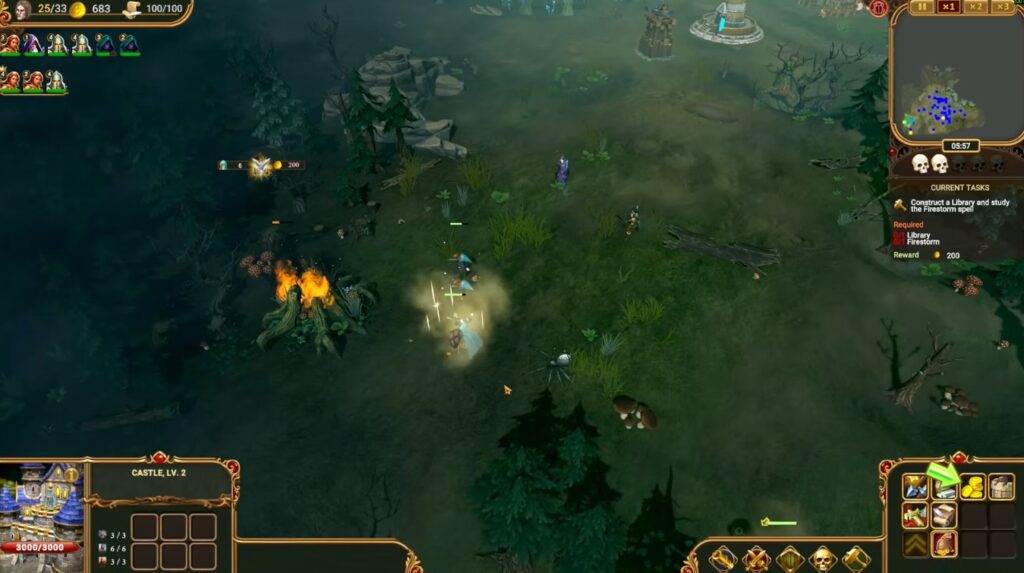
Visually, Lessaria is clean and readable—an essential trait for a strategy game built around information management. Buildings, heroes, enemies, and map elements are easy to distinguish at a glance, allowing players to process threats quickly without fighting the UI.
The soundtrack does its job well, shifting between calm village themes and tenser combat tracks. However, while the music supports the mood, voice lines and incidental audio cues could use more punch to fully sell the fantasy world. Outside of the advisor voice, some moments lack the auditory weight needed to elevate dramatic encounters.
Technical Issues and Balance Concerns
Unfortunately, Lessaria isn’t without rough edges. Bugs occasionally rear their head, with villagers or soldiers freezing or getting stuck in certain areas. Pathfinding can be awkward, AI timing inconsistent, and menu navigation clumsy at times. In tight encounters, these issues can turn a well-planned strategy into a frustrating loss.
The economic model can also feel overly punishing on higher difficulties. Balancing population caps, expensive bounties, and map control sometimes crosses the line from satisfying challenge into harsh austerity. These moments don’t break the experience, but they do undercut some of the game’s best emergent storytelling.
Cons:
Occasional bugs, pathfinding issues, and AI inconsistencies
Forgettable campaign story and unmemorable characters
Economy can feel overly restrictive on higher difficulties
Indirect control may frustrate players who prefer direct unit management
Overall / Should You Play It:
Lessaria: Fantasy Kingdom Sim won’t appeal to everyone. Players who crave direct, hands-on control may find the economy-first pacing slow or fiddly, and the AI’s independence can sometimes feel stubborn rather than clever. But for those who enjoy watching a simulated kingdom surprise them—heroes bumbling toward victory or disaster while gold drains from the treasury—Lessaria delivers something special.
It’s an imperfect but charming evolution of Majesty’s core idea, modernized just enough to feel relevant while retaining the chaos that made the original memorable. For RTS fans looking for something different, it’s an easy recommendation.