Planet of Lana II

8

B-Tier
Genre:
Adventure, Platformer, Puzzle
Platforms:
PC, Ps5, Switch/Switch 2, Xbox (Series, One)
Tier Score:
B-Tier
Developer:
Wishfully Studios
Planet of Lana II Review: Beautiful, Emotional Sequel That Perfectly Evolves the Original
Introduction
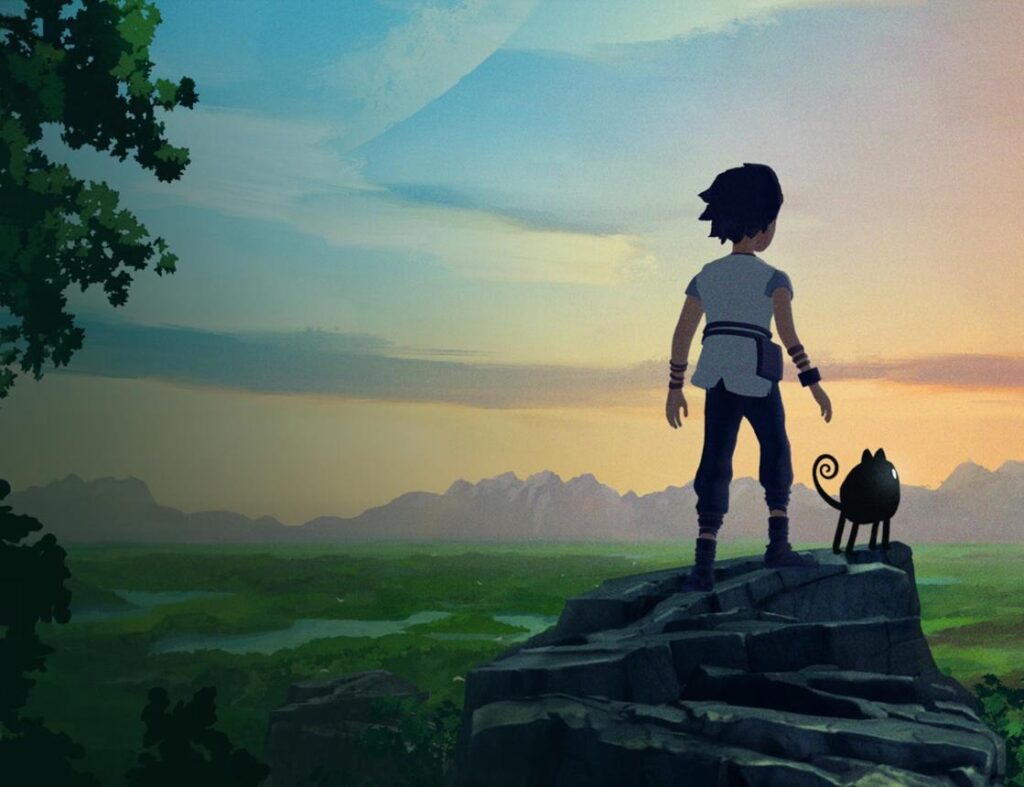
I’ve never been shy about it—puzzle games are not my genre. They’ve always been something I tolerate rather than seek out. And yet, the original Planet of Lana completely flipped that script for me. It was one of those rare games that made me appreciate a genre I typically avoid.
So going into Planet of Lana II, the expectation wasn’t just “more of the same”—it was whether this sequel could recapture that magic.
And right away, it does.
This is one of those sequels that understands exactly what made the first game special and builds on it with confidence, not excess. It’s bigger, more layered, and more ambitious—but never loses sight of what made it work in the first place.
Narrative
At its core, Planet of Lana II is a story-driven experience first, puzzle game second—and that’s exactly why it works so well.
You once again follow Lana and her companion Mui, now dealing with the aftermath of their previous journey. What starts as a personal mission—saving Lana’s poisoned niece—quickly spirals into something much deeper, uncovering secrets about the planet, Mui, and the mysterious forces at play.
What’s remarkable here is how much emotion the game conveys without a single word you can understand.
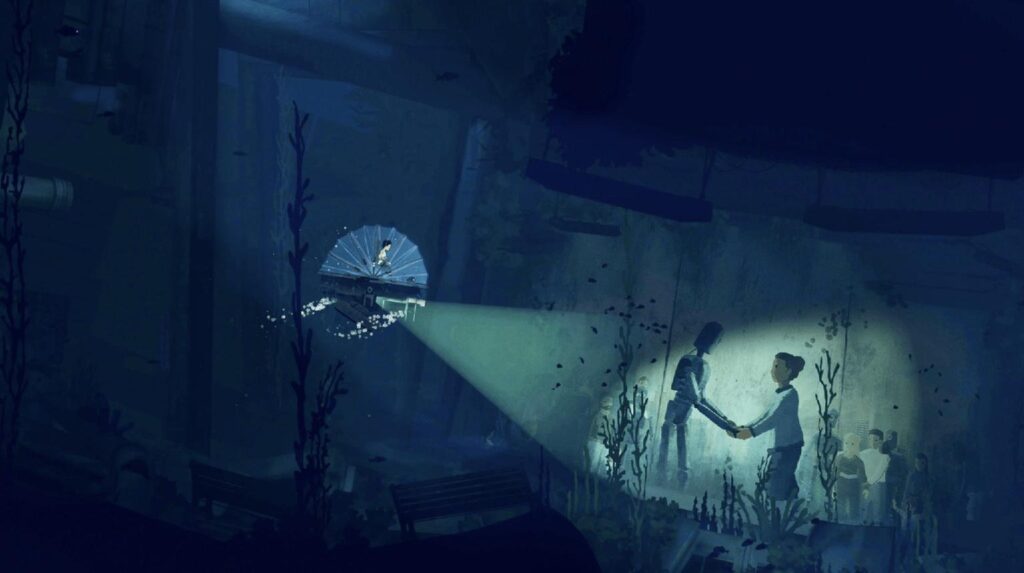
Characters speak in an unknown language, yet through animation, music, and visual storytelling, you feel everything:
- The urgency
- The fear
- The warmth between characters
- The weight of past decisions
There’s a surprising amount of character growth and introspection, especially compared to most games in this genre. Lana isn’t just a vessel for gameplay—she feels like someone evolving in real time.
That said, the biggest narrative swing comes at the end—and it’s a risky one.
The game ends on a cliffhanger, clearly setting up a third installment. While that confidence is admirable, it does come at the cost of a satisfying conclusion. Unlike the first game, which wrapped things up beautifully, this one leaves you hanging.
Whether that works for you will depend on how much you value closure versus long-term storytelling.
Gameplay
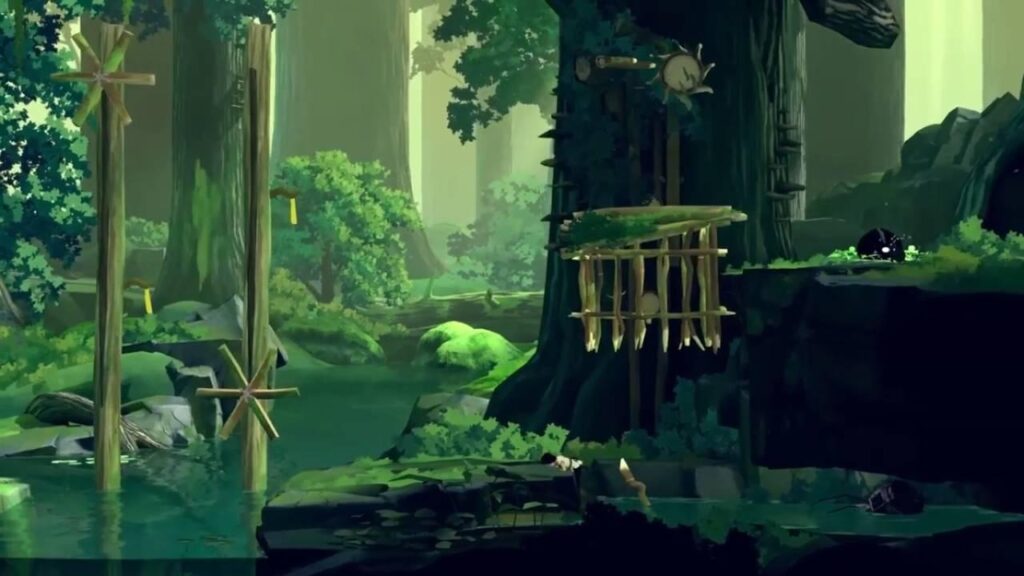
If you played the first game, you’ll feel right at home here—but with meaningful upgrades across the board.
At its core, this is still a cinematic puzzle platformer:
- You solve environmental puzzles
- You avoid deadly machines and hazards
- You work in tandem with Mui
But the sequel introduces new mechanics that keep things fresh without overcomplicating the formula.
Mui is more versatile than ever:
- Controlling fish for underwater traversal
- Manipulating flammable roller creatures
- Using squid-like beings to grow climbable plants
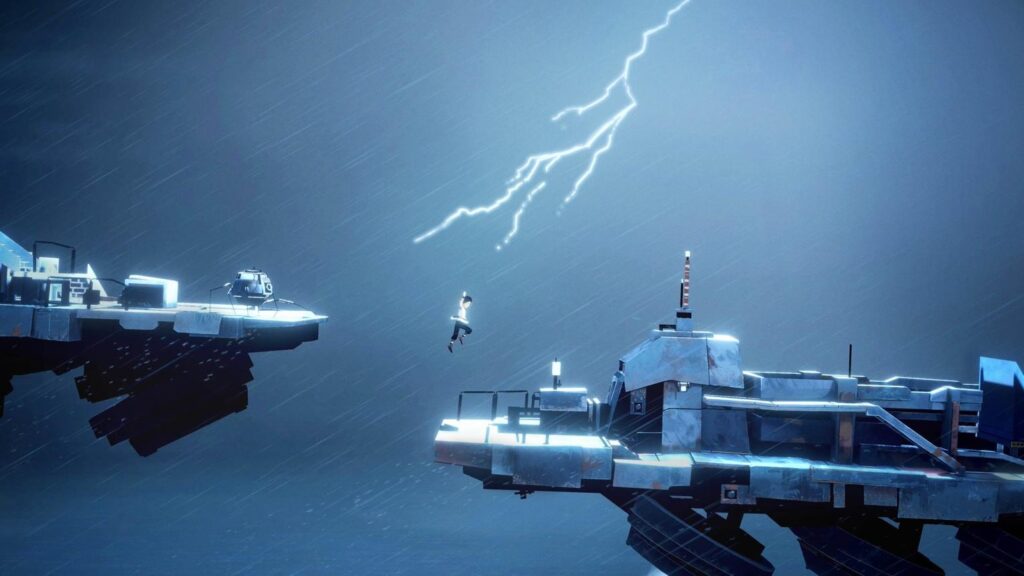
Each of these mechanics is introduced gradually and used just enough to feel impactful without overstaying their welcome.
That’s where Planet of Lana II really shines:
pacing and restraint.
The puzzles remain:
- Challenging but approachable
- Satisfying without being frustrating
- Built around observation and timing, not brute-force logic
Even as someone who doesn’t gravitate toward puzzle games, I found myself locked in. When I failed, it never felt cheap—it felt like I missed something or mistimed an action. And when I solved it? That satisfaction hit every single time.
The game also smartly improves accessibility with frequent autosaves and quick respawns, encouraging experimentation instead of punishing failure.
Presentation (Visuals & Sound)
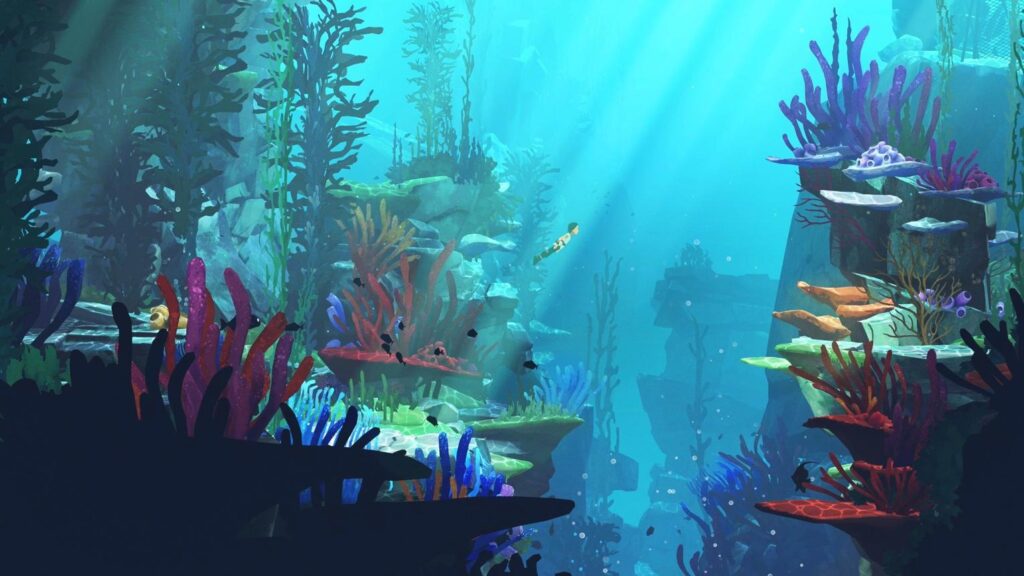
Let’s be clear:
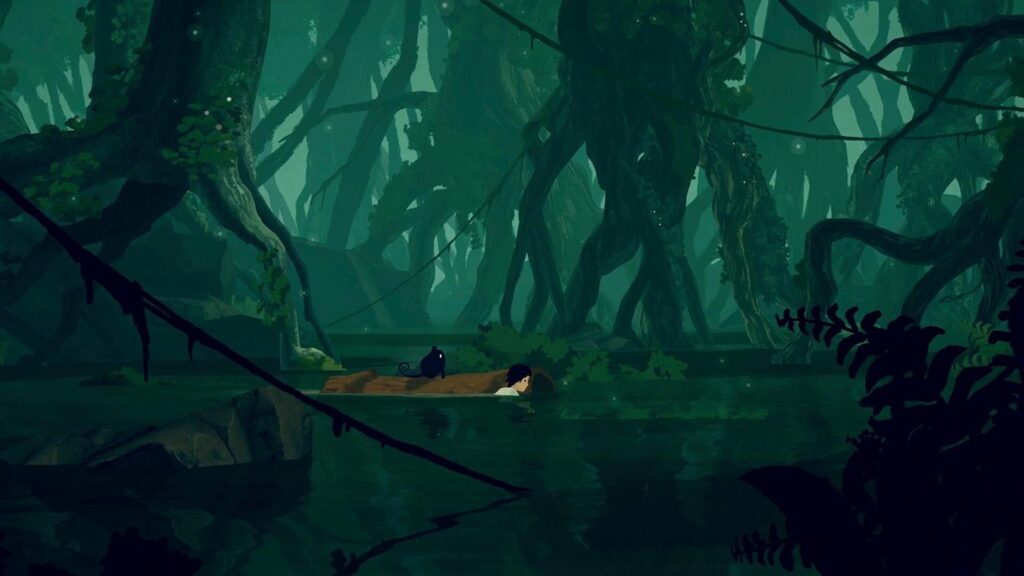
This is one of the most beautiful indie games of the year.
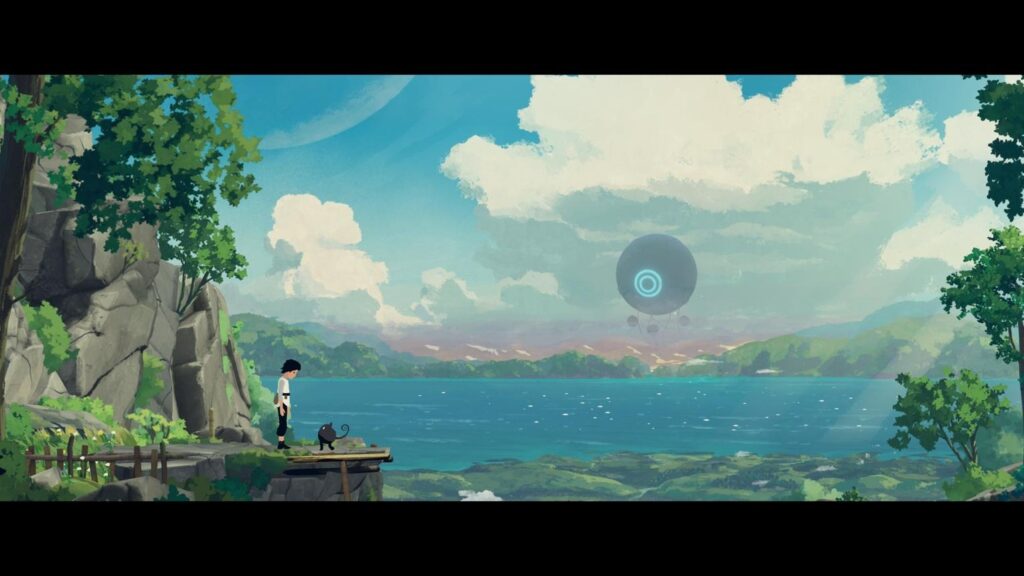
The art style feels like a moving watercolor painting, blending soft, vibrant colors with detailed environments that constantly evolve:
- Lush grasslands
- Snowy mountain peaks
- Dense jungles
- Underwater depths
Every area feels distinct, and more importantly, you’re never in one place long enough for it to feel repetitive.
The game constantly refreshes its visual identity, keeping you engaged not just mechanically—but aesthetically.
The soundtrack and sound design elevate this even further. There’s a cinematic, almost film-like quality to the audio that enhances tension, emotion, and scale. It feels closer to a sci-fi film score than a traditional game soundtrack.
And on a technical level?
The game runs fantastically on Steam Deck.
- Smooth performance
- Minimal stuttering
- Vibrant visuals that pop on handheld
This genuinely feels like a game made for portable play.
Pros
Planet of Lana II excels in delivering a deeply cohesive and polished experience. The biggest strength lies in how it evolves the original without losing its identity. The puzzles strike that rare balance of being approachable yet consistently engaging, making it one of the most accessible puzzle games out there—especially for players who don’t typically enjoy the genre.
The visual presentation is nothing short of stunning, with environments that feel alive and handcrafted. Combined with strong animation and a powerful soundtrack, the game creates an emotional atmosphere that few indie titles can match. Add in meaningful gameplay expansions—particularly Mui’s new abilities—and you get a sequel that feels thoughtfully designed at every level.
Performance on Steam Deck is another major win. The game runs smoothly, looks incredible, and feels perfectly suited for handheld play. On top of that, the pacing is excellent. It doesn’t overstay its welcome, delivering a tight 6–7 hour experience that feels intentional from start to finish.
Cons
Despite its strengths, the game isn’t without flaws. The most notable issue is the lack of clarity in certain visual scenarios. There are moments where environmental elements—like fire placement or climbable surfaces—aren’t communicated clearly, leading to confusion that feels more like a visual design hiccup than a gameplay challenge.
The biggest sticking point, however, is the ending. The decision to conclude the game on a cliffhanger may pay off in the long run, but in the moment, it feels abrupt—especially compared to the satisfying resolution of the first game. It’s a bold move, but also a risky one given the current state of the industry.
Additionally, while the puzzles are consistently well-designed, players looking for high complexity or extreme challenge may find them a bit too forgiving. The game prioritizes flow and accessibility over difficulty, which works for its design—but may not satisfy everyone.
Overall / Should You Play
Planet of Lana II is a rare kind of sequel.
It doesn’t try to reinvent the wheel—it simply refines, expands, and elevates what already worked.
For someone like me—who doesn’t even like puzzle games—this is one of the easiest recommendations I can give.
- It’s approachable
- It’s emotional
- It’s visually stunning
- And most importantly—it’s hard to put down
Yes, the cliffhanger ending might leave you wanting more (or slightly frustrated), but everything leading up to that moment is so well executed that it’s hard to hold it against the experience too much.
This is one of the most enjoyable indie games of the year so far and a clear contender for your rankings.
If you liked the first game, this is a no-brainer.
If you didn’t think puzzle games were your thing—this might be the one that changes your mind.