
Sometimes, the right game doesn’t just win you over. It changes the way you see an entire genre.
Developer: Kyle Thompson
Publishers: Kyle Thompson, Top Hat Studios, Inc., Doyoyo Games
Release Date: September 22, 2026
Platforms: PC, Nintendo Switch, Nintendo Switch 2, PlayStation 5
Price: $19.99
Genre: Metroidvania, action-adventure, platformer
Playtime: Approximately 10 hours for the main story
SPE Review: Read the full Well Dweller review
Why This Game?
I’ve always had a complicated relationship with Metroidvanias. I love the idea of exploring an interconnected world, unlocking new abilities, and discovering secrets tucked away in places I couldn’t reach a few hours earlier. But I’ve also grown frustrated with a genre that can sometimes mistake getting lost for meaningful exploration. Too often, I’ll find myself wandering through a labyrinth of interconnected rooms, staring at a map that doesn’t tell me much, wondering whether I’m supposed to be progressing through the story or retracing my steps for the umpteenth time. I keep coming back to these games because I want to love them, but more often than not, something gets in the way.
Then I played Well Dweller, and something finally clicked.
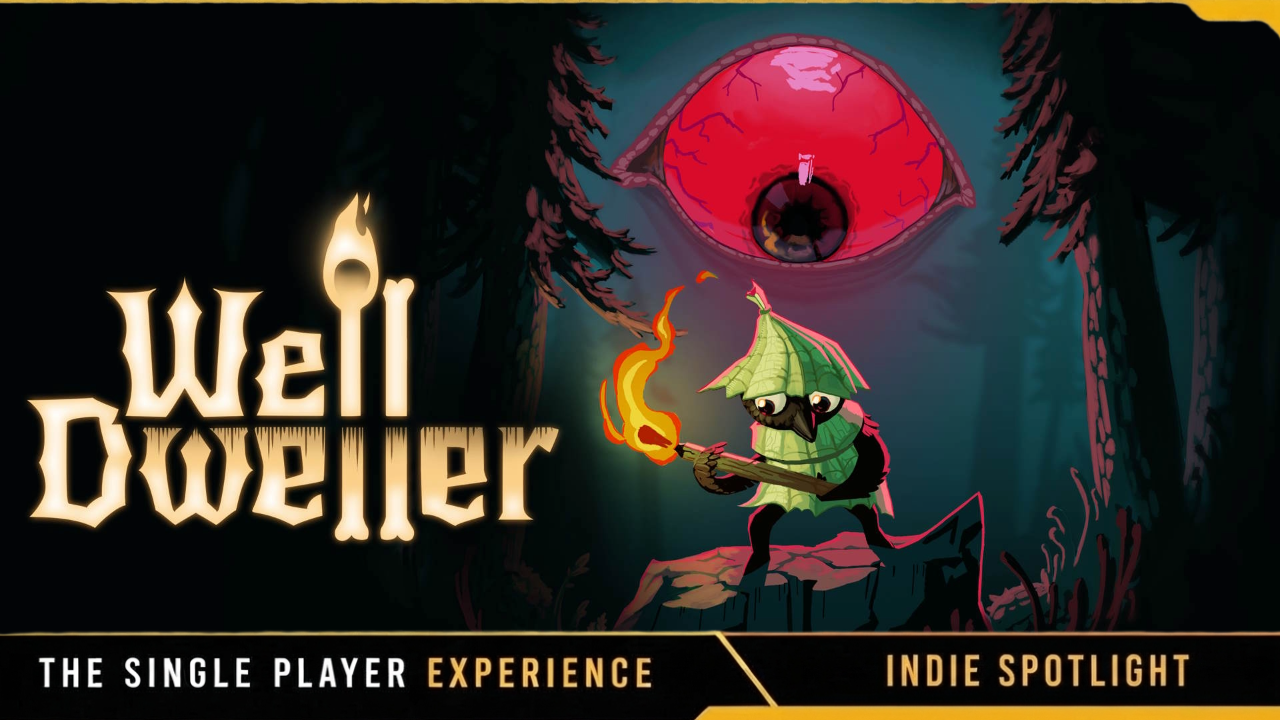
Developed by Kyle Thompson, the creator behind Crypt Custodian, Well Dweller is a dark fairy tale about a tiny bird named Glimmer who ventures into a dangerous kingdom armed with a matchstick and a mission to save his family from a cruel queen. It’s a wonderfully strange premise, and the game immediately caught my attention with its striking art direction. There’s something about a beautifully illustrated game world that makes me stop scrolling through Steam and take a closer look, even when the genre itself isn’t necessarily my cup of tea. Well Dweller had that effect on me almost immediately. Its gorgeous presentation reminded me a little of Ori and the Will of the Wisps, another game whose visual identity left a lasting impression on me, even if I had some reservations about the experience itself.
But beautiful artwork can only take a game so far. What convinced me to keep playing was everything I discovered beneath that initial impression. Well Dweller has a mischievous sense of humor, an engaging story, wonderfully inventive mechanics, and a level of design polish that makes its interconnected world feel like a place worth exploring. The writing gives its characters personality, the music adds a cinematic quality to the adventure, and the environments feel like pages from a storybook that someone has decided to fill with increasingly unsettling creatures. Before long, I wasn’t simply admiring the game from a distance. I was invested in Glimmer’s journey and eager to see what happened next.
That’s a particularly meaningful accomplishment for me. Well Dweller is the first Metroidvania I’ve played that I can confidently say I genuinely love. It gives me the exploration and progression I want from the genre while addressing the navigational frustrations that have repeatedly prevented me from fully enjoying it. It doesn’t remove the challenge, eliminate the secrets, or hold my hand through every encounter. Instead, it gives me the freedom to decide how I want to experience the adventure.
And that’s why Well Dweller is the first game I’ve chosen for the SPE Indie Spotlight. I want this series to introduce readers to independent games that deserve more attention, particularly those with a distinctive identity and something meaningful to offer single-player fans. Sometimes that means highlighting a game with an unusual premise. Sometimes it means championing a developer doing something interesting with a familiar genre. In this case, it’s both.
Well Dweller is the kind of game that reminds me why I started The Single Player Experience in the first place. I want to discover games that excite me, share those experiences with other players, and make a compelling case for why someone else should give them a shot. This is one of those games, and I think it deserves a much bigger audience.
What Makes It Stand Out?
A Dark Fairy Tale With a Whole Lot of Personality
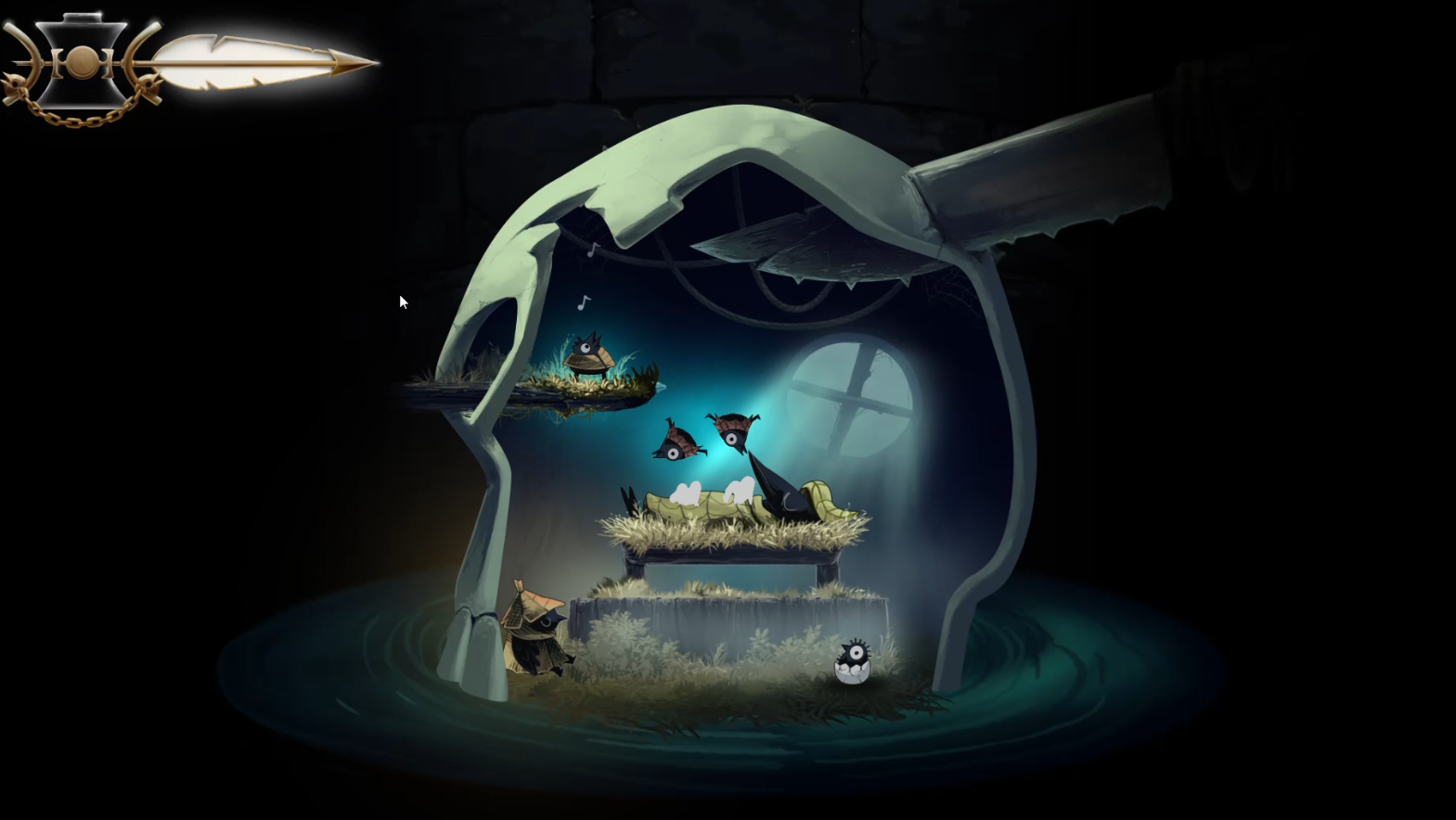
The first thing that makes Well Dweller special is how confidently it establishes its identity. The game follows a family of birds hiding in a well while a cruel queen’s reign has made their very existence dangerous. Glimmer’s mother sends him and his siblings out to gather food, hoping they’ll return safely despite the threat hanging over their family. And yes, there’s something amusing about a mother bird sending her small, vulnerable children into a kingdom where birds are actively being hunted. I have questions about her parenting decisions, but the premise immediately grabbed me.
That irreverent humor is part of what makes the storytelling work. Well Dweller has a dark fairy-tale atmosphere, but it isn’t so committed to being grim that it forgets to have fun. The dialogue and character interactions introduce a cast with recognizable personalities, and Glimmer’s siblings provide little moments of charm that help establish the emotional foundation of the adventure. Rather than asking players to invest in an abstract quest to save a distant kingdom, the game gives us a small family with a very immediate problem. When Glimmer’s journey takes a darker turn, there’s a personal reason to care about what happens next.
The writing also gives the wider world room to breathe. As Glimmer encounters other characters, their individual histories and motivations gradually reveal more about the kingdom and the people living under the queen’s rule. The story doesn’t feel like a thin excuse to move between combat encounters. It gives the adventure direction, and the characters make the world feel like more than a collection of increasingly dangerous rooms.
I particularly enjoyed how the game distributes its storytelling. Conversations introduce characters and their circumstances, while collectible pages reveal additional fairy-tale lore about the kingdom, its villains, and the events that helped shape the world Glimmer inhabits. These discoveries give you reasons to explore beyond the main objective, and the writing makes the effort worthwhile. I wanted to learn more about the queen, understand the history behind the kingdom’s cruelty, and discover how the different characters’ stories connected.
That combination of humor, emotional stakes, and unsettling fairy-tale imagery gives Well Dweller a personality that extends beyond its premise. It’s a dark fantasy adventure with a genuine affection for its characters, and its storytelling was one of the biggest reasons I stayed invested throughout my playthrough.
An Art Style Worth Stopping For
If the writing convinced me to stay, the art direction made me want to see everything the game had to offer.
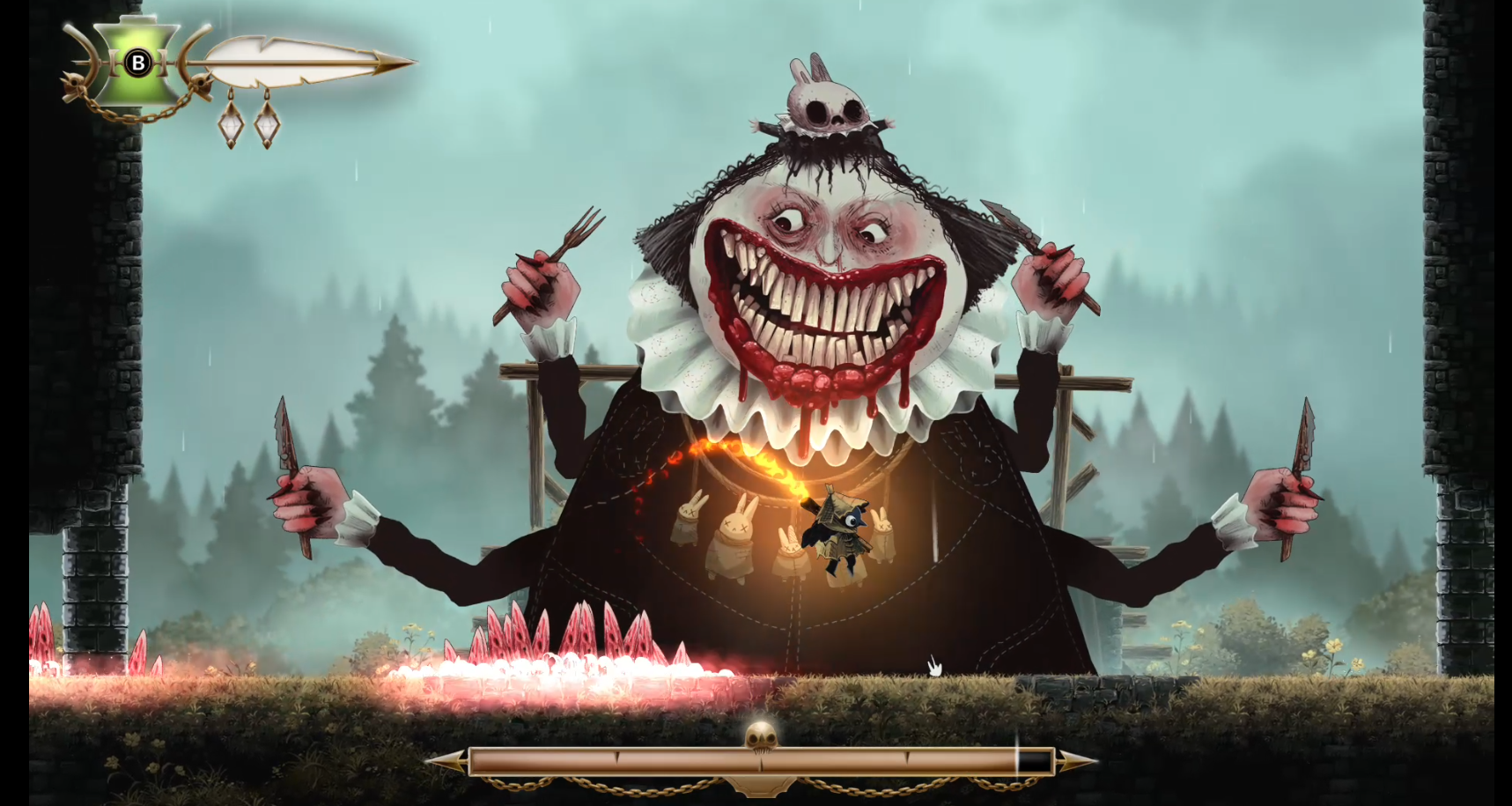
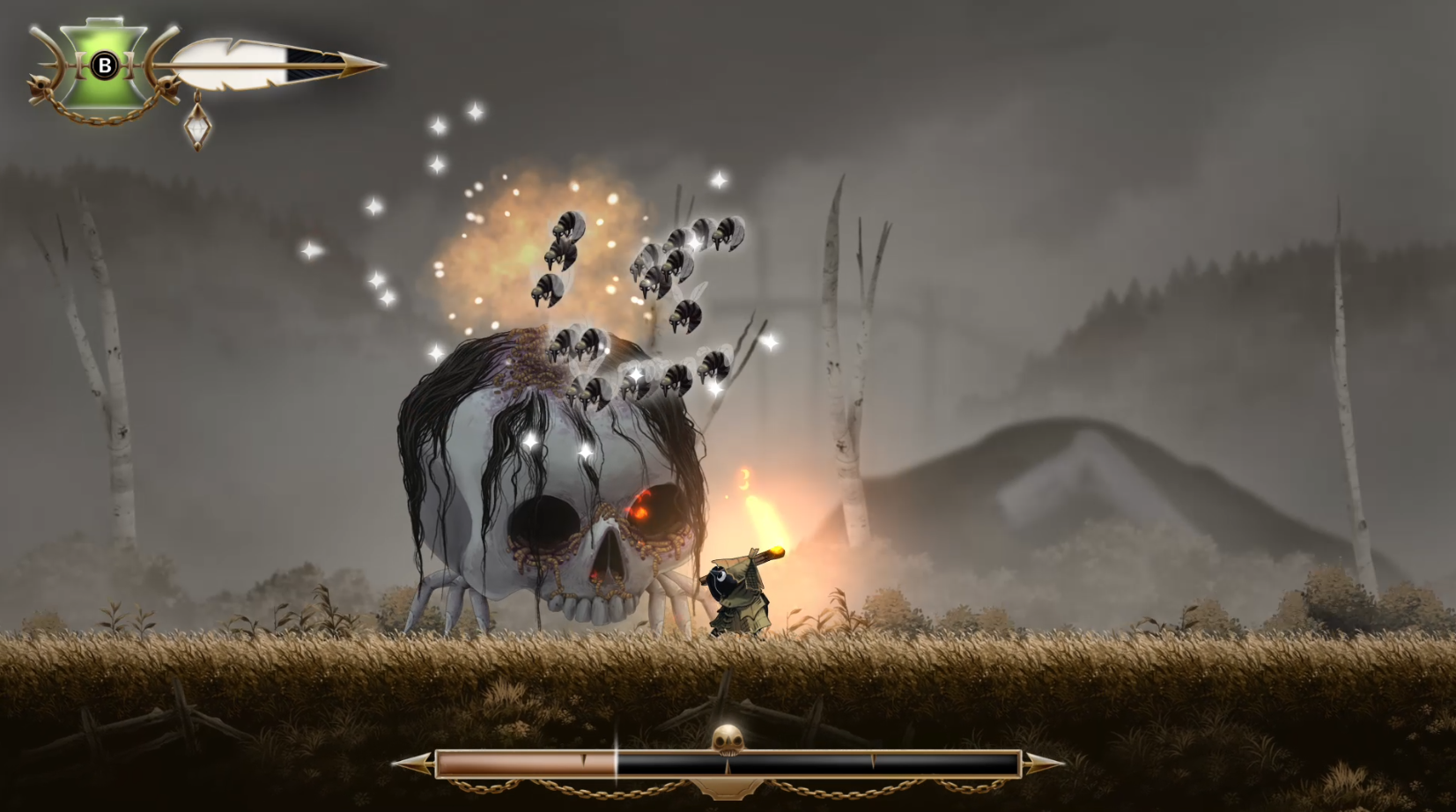
Well Dweller is a gorgeous-looking game. Its expressive character illustrations, striking color palettes, and layered environments give the world a picture-book quality that makes even its more disturbing locations fascinating to explore. There’s a visual resemblance to games like Ori and the Will of the Wisps in the way the scenery creates a sense of depth and atmosphere, but Well Dweller has its own distinctive identity. Its dark fairy-tale setting allows the developers to balance charming imagery with creatures and environments that become increasingly sinister as Glimmer ventures farther into the kingdom.
The variety of its biomes is particularly impressive. You’ll travel through swampy regions, autumnal grasslands, forests with an inviting green glow and ominous depths, and murky docks dominated by muted grays and greens. Later areas introduce richer oranges, reds, and yellows, giving the world a changing visual rhythm that keeps the experience fresh. These aren’t simply different backgrounds placed behind the same platforming challenges. Each environment has its own personality, and the changes in color and atmosphere make progression feel like a journey through a cohesive, evolving world.
That visual variety also works hand in hand with the level design. The placement of platforms, the shapes of the environments, and the way new abilities interact with the surrounding terrain all feel deliberate. I was regularly curious about what the next area would look like, and that curiosity made exploration more enjoyable before I even knew what secrets or challenges awaited me.
The music deserves recognition, too. It adds a cinematic quality to the adventure, giving the world an emotional presence that complements the writing and artwork. The combination makes Well Dweller feel bigger than its relatively modest price tag might suggest. It has the sort of cohesive artistic identity that makes a game memorable long after you’ve put the controller down.
There’s another reason I appreciate its presentation: the game delivers exactly the sort of spooky atmosphere I want around Halloween without pushing me into territory I’m uncomfortable with. I’m not much of a horror player, and I can be something of a chicken when it comes to genuinely frightening games. Well Dweller has creepy creatures, sinister imagery, and a dark fantasy setting, but I never found it particularly scary. It gives me the Halloween atmosphere without requiring me to spend the evening regretting my entertainment choices.
For players who want something a little eerie without committing to a full-blown horror experience, that’s an appealing balance. Well Dweller looks unsettling enough to fit the season while remaining inviting enough that I wanted to keep exploring.
One Little Matchstick, Countless Possibilities
Glimmer’s matchstick is the foundation of Well Dweller’s gameplay, and it’s an excellent example of how a simple idea can become the defining feature of an entire experience.
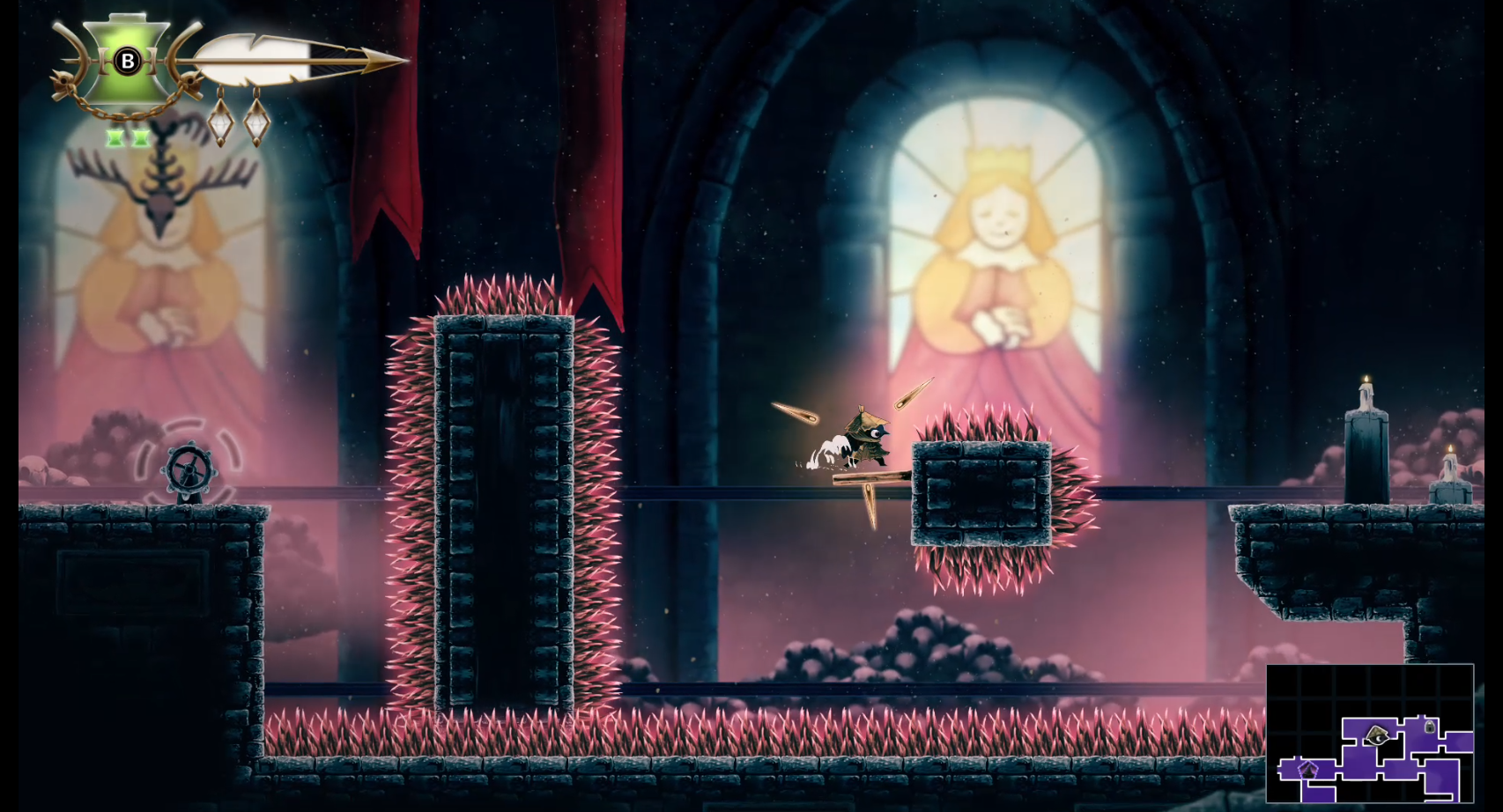
At its most basic, the matchstick is Glimmer’s weapon. He uses its flame to strike enemies, but the developers have also incorporated it into the game’s health system. The flame burns brightly when Glimmer is healthy and dwindles toward a weak, smoldering glow as he takes damage. It’s an elegant visual indicator that makes the matchstick feel like an extension of the character rather than just another weapon in an inventory. When that little flame is barely hanging on, you know Glimmer is in trouble.
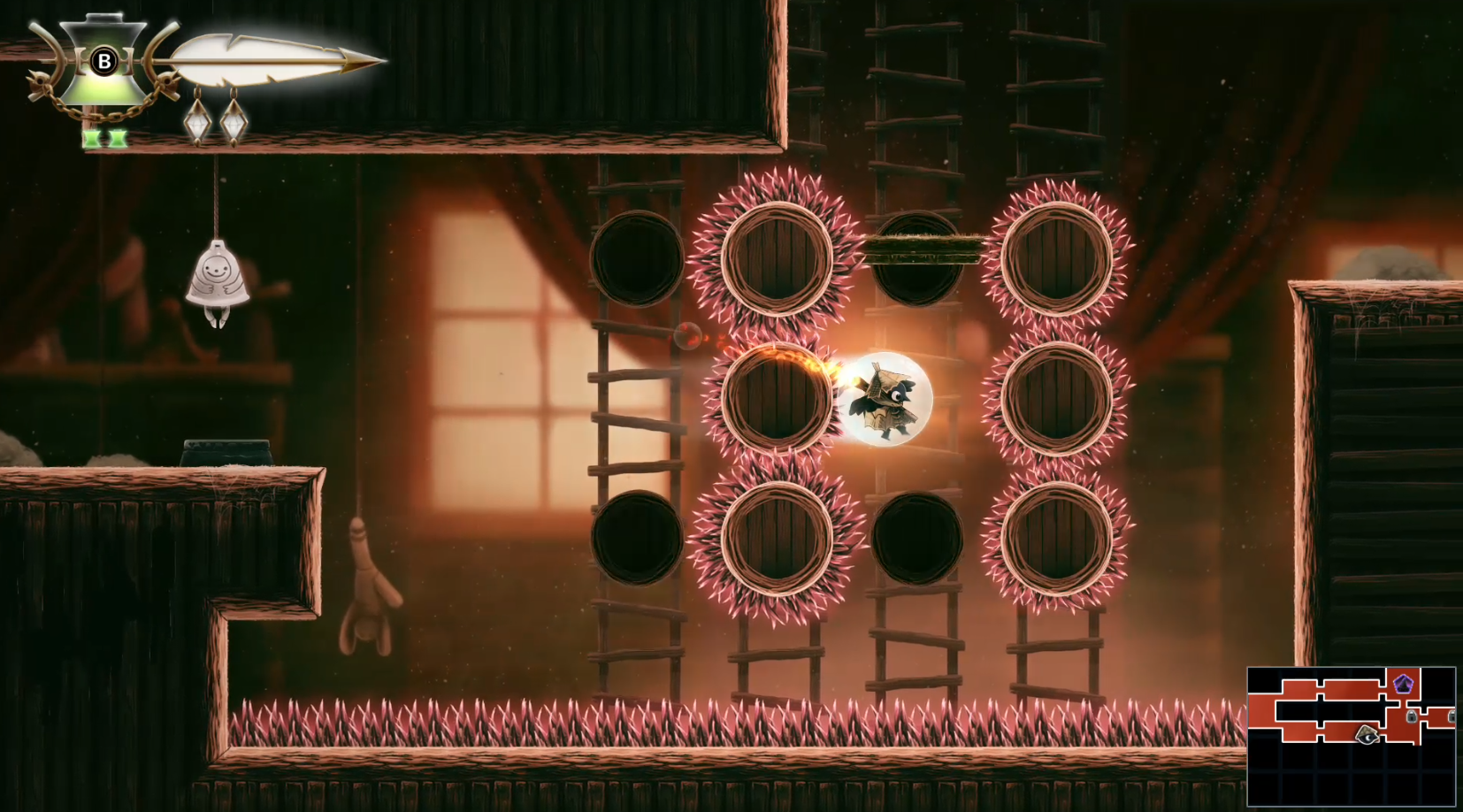
The mechanic becomes more interesting as the game introduces ways to interact with the matchstick beyond straightforward combat. You can launch it into solid surfaces and recall it, using the ability to reach new areas and approach platforming challenges from different angles. If you’ve played God of War (2018) and remember the satisfaction of throwing Kratos’s Leviathan Axe before summoning it back into his hand, you’ll understand why this immediately appealed to me. I love that sensation of sending a weapon flying through the environment and watching it return with a satisfying sense of weight and purpose. Tiny Thor offers a similar pleasure with Mjölnir, and Well Dweller taps into that same instinct.
There’s something inherently satisfying about a mechanic like this, but the game goes further by making the matchstick an actual platforming tool. Embed it in the right surface, and Glimmer can bounce off it to gain height and reach otherwise inaccessible ledges. That turns the weapon into a way to manipulate the environment, giving you another tool to experiment with as the level design becomes more ambitious.
The developers continue to build on these ideas throughout the adventure. New movement abilities introduce different ways to jump, hover, climb, and navigate the world. Just when you think you’ve settled into a comfortable rhythm, the game gives you another mechanic that changes how you approach the next area. These additions feel purposeful rather than arbitrary, and they continually expand what Glimmer can do without making the controls or progression unnecessarily complicated.
Combat benefits from the same thoughtful approach. Boss fights demand that you pay attention to attack patterns and respond to visual cues, and the encounters can be genuinely challenging if you stick with the default difficulty. The first major boss took me around seven attempts on Normal, and learning the fight was a satisfying process rather than an exercise in frustration. But the game’s flexible difficulty options also mean you can adjust the experience to your preferences, whether that means increasing your damage output, reducing incoming damage, or changing other assist settings.
This is where Well Dweller demonstrates a particularly good understanding of its audience. The developers clearly want the game to offer a meaningful challenge, but they also recognize that players approach single-player games for different reasons. Some people want to master difficult encounters. Others want to experience the story, explore the world, and enjoy the mechanics without hitting a wall that brings their progress to a halt. The game makes room for both.
Its progression systems round out the experience. Trinkets offer different bonuses that let you tailor Glimmer’s abilities to your preferred playstyle. Some increase your damage, others make healing more forgiving, extend your melee range, improve your defensive options, or help you earn additional currency. With 32 trinkets to discover, there are plenty of opportunities to experiment with different combinations and find upgrades that complement the way you play.
The result is a game in which the core mechanics, progression, and level design continually reinforce one another. New abilities open new routes, trinkets provide additional reasons to explore, and the matchstick remains central to the experience from beginning to end. It’s a remarkably cohesive package, and one of the clearest examples of Well Dweller’s design strengths.
The Metroidvania That Doesn’t Make Me Want to Throw My Map Away
Here’s the part that really sold me on Well Dweller: I didn’t get lost.
That might sound like a strange thing to celebrate in a genre built around exploration, but if you’ve read my thoughts on Metroidvanias before, you’ll understand why it’s such a big deal. I enjoy discovering hidden areas and returning to familiar locations with new abilities. What I don’t enjoy is reaching a point where I have no idea where to go next, the map isn’t particularly helpful, and moving the story forward becomes an exercise in wandering around until something finally clicks.
Well Dweller understands that discovery and confusion aren’t the same thing.
The map is readable, and players can enable an optional minimap for additional guidance. But the game’s most useful navigation feature comes through a mouse character who joins Glimmer’s journey. She has her own motivations and personal story, including a desire to rescue her siblings, and she also offers a practical service for players who need help finding their way.
By spending currency, you can ask her to mark missing collectibles on your map, including spirits, trinkets, pages, and trinket slots. More importantly, you can pay 400 currency to identify the location of your next major story objective. The game doesn’t just point vaguely toward an unexplored corner of the map, either. It helps you identify the direction you need to travel and the biome you should investigate.
I cannot overstate how much I appreciated this feature. I used it regularly, sometimes the moment I felt myself beginning to lose track of where I needed to go. And you know what? I had a fantastic time.
The beauty of the system is that it’s entirely optional. If you’re the kind of player who loves uncovering every secret through your own curiosity, you can ignore the assistance and explore to your heart’s content. But if you’re like me and occasionally need the game to give you a gentle nudge toward the next objective, the option is there. You can even use the collectible-tracking features when you’re ready to clean up the map and hunt for things you missed.
That flexibility doesn’t undermine the Metroidvania formula. It makes the formula more approachable without sacrificing what makes it rewarding. You still have an interconnected world, hidden routes, ability-gated areas, and plenty of reasons to revisit places you’ve already explored. The difference is that you’re not forced to spend an unreasonable amount of time figuring out where the game expects you to go.
For me, that’s the ideal balance. I want to feel clever when I discover a secret, not relieved that I’ve finally stumbled into the correct room after wandering aimlessly for 30 minutes.
And this is why I think Well Dweller has an audience beyond people who already love the genre. If you’ve bounced off Metroidvanias because of their navigation, or if you’ve wanted to try one but felt intimidated by the reputation for punishing difficulty and labyrinthine level design, this is an excellent place to start. The game preserves the spirit of exploration while giving you the freedom to decide how much guidance you need.
It meets players halfway, and that makes all the difference.
The SPE Perspective: Who Should Play Well Dweller?
I spent a lot of time with Well Dweller, and it became the game I kept returning to throughout my weekend. In a month packed with new releases and competing distractions, it was the one that consistently pulled me back toward my PC and made me want to see what happened next. I played for hours at a time, stopping when life required it and returning whenever I could. That’s the kind of connection I look for in a great single-player experience: a game that doesn’t merely occupy my attention while I’m playing, but gives me a reason to look forward to the next session.
For longtime Metroidvania fans, Well Dweller offers plenty to appreciate. Its interconnected environments reward exploration, its new abilities open up increasingly creative platforming opportunities, and its trinkets provide enough variety to encourage experimentation. The bosses offer a satisfying challenge, the world is full of optional discoveries, and the story gives you a reason to care about what lies beyond the next door. This isn’t a watered-down version of the genre designed to make everything effortless. There’s a substantial adventure here for players who enjoy the traditional Metroidvania loop.
But I think the game is equally worth recommending to people who haven’t always gotten along with the genre. Its readable map, optional navigation assistance, and adjustable difficulty settings remove several of the barriers that have frustrated me in other games. You can explore independently when you’re enjoying the process and seek guidance when you want to get back to the story. You can take on the bosses at their intended difficulty or adjust the experience to better suit your preferences.
That makes Well Dweller a particularly compelling recommendation for single-player gamers who want a well-crafted adventure without feeling that they have to endure a specific level of frustration to appreciate it. If you enjoy action platformers, memorable characters, expressive art direction, and stories with a little darkness beneath their charm, there’s plenty here to love.
It’s also a game I’d consider for handheld play. I played on desktop PC and Xbox Series S, and my experience was consistently smooth on the hardware I used. I also found it well suited to Steam Deck play, making it an appealing option for anyone who enjoys taking their single-player adventures on the go. I haven’t personally tested the Nintendo versions, so I can’t speak to their performance firsthand, but the game’s structure and presentation make it easy to imagine why it could appeal to handheld players.
The main caveat is that players looking for a sprawling, dozens-of-hours adventure may want to set their expectations accordingly. I completed the main story in approximately 10 hours without finishing everything the game had to offer. Players who pursue more of the optional content can expect additional time with the game, but its appeal isn’t simply about how many hours it takes to reach the credits. It’s about how consistently those hours deliver something worthwhile.
At $19.99, Well Dweller feels like an excellent value. It has the artistic identity, mechanical creativity, and narrative cohesion of a game with a very clear vision, and that vision carries through the entire adventure. If you’re on the fence, there’s also a demo available on Steam, giving you an opportunity to experience its art, mechanics, and overall feel before committing to a purchase.
And if you need one final reason to give it a chance, consider this: I’m someone who has repeatedly struggled to connect with Metroidvanias, and Well Dweller left me wanting more. That’s not a small accomplishment.
Verdict and Next Steps
There’s a metaphor I keep coming back to when I think about Well Dweller. It’s not even Christmas yet, but this game made me feel like Ebenezer Scrooge confronting the three ghosts of Metroidvanias past. Every frustration I’ve carried into the genre seemed to meet its match here: the ghost of getting lost, the ghost of punishing difficulty, and the ghost of exploration that feels more like a chore than an adventure.
It’s a terrible metaphor. I’ll own that.
But the sentiment behind it is genuine. Well Dweller made me reconsider a genre I’ve wanted to love for years. Its storytelling gave me a reason to care about Glimmer and his family, its art direction made the world a pleasure to explore, and its matchstick mechanics delivered the kind of satisfying, inventive gameplay that keeps me engaged. Most importantly, its approach to navigation allowed me to enjoy the experience without constantly fighting against the design.
That’s why this game made the cut for the first SPE Indie Spotlight. I played plenty of games this month, but none resonated with me quite like Well Dweller. It captured my attention for an entire weekend, and whenever I had time to play, it was the game I wanted to return to. I wasn’t simply working my way through a backlog entry. I was having a genuinely great time.
I want more people to experience that feeling, and I want more people to discover what Kyle Thompson has created here. Well Dweller is a sensational indie game, a compelling single-player adventure, and one of the most memorable games I’ve played this year. Whether you’re a seasoned Metroidvania fan or someone who has struggled to get along with the genre, I think this is well worth your attention.
My recommendation: Put Well Dweller on your wishlist, try the demo if you’re unsure, and give this little bird a chance. You might find yourself falling in love with a genre all over again.
Where to Play
- Steam: Play Well Dweller on Steam
- Nintendo eShop: Find Well Dweller on Nintendo’s store
- Full SPE Review: Read the Well Dweller review on The Single Player Experience
Well Dweller is available for $19.99. If you enjoy single-player adventures with inventive mechanics, memorable storytelling, and a world worth getting lost in—even if the game is kind enough to help you find your way back—this is one indie release you shouldn’t overlook.